

Your brand is more than a logo on a business card. It’s the promise you make to customers, the feeling they get when they interact with your business, and the visual language that sets you apart in a crowded market. But how do you translate that intangible essence into something people can see, remember, and trust? That’s where brand design comes in.
Understanding what brand design is can move you beyond thinking about aesthetics and into strategy. It’s the intentional process of creating a cohesive visual identity that reflects your values, resonates with your audience, and supports your business goals. From color palettes to typography, every design choice communicates something about who you are and why you matter.
Whether you’re launching a startup or refreshing an established business, strong brand design builds recognition, fosters loyalty, and differentiates you from competitors. Let’s explore the brand design principles and elements of brand design that bring brands to life.
What is brand design?
Brand design is the strategic creation of visual and experiential elements that define how your business shows up in the world. It goes beyond making things look polished — it’s about crafting a visual identity system that communicates your brand’s personality, values, and promise at every touchpoint.
Think of it as your brand’s visual vocabulary. When done well, brand design creates instant recognition. Someone sees your color scheme, typography, or imagery style and immediately knows it’s you. That consistency builds trust over time and helps customers form emotional connections with your business.
Brand design encompasses everything from your logo and website to packaging, social media graphics, and printed materials. It ensures every visual element works together to tell a cohesive story about who you are and what you stand for.
Brand design core principles
Effective brand design principles guide the creative process and ensure your visual identity serves your business strategy. These principles lay the foundation for building brands that resonate and endure.
Consistency: Your brand should look and feel the same across all platforms and materials. Consistency reinforces recognition and professionalism. When customers encounter your brand on Instagram, your website, or a business card, they should experience the same visual language and tone.
Authenticity: Your brand design must reflect your true values and personality. Audiences can sense when there’s a disconnect between your brand design and your customers’ experiences. Authentic design works because it’s grounded in what makes your business genuinely unique.
Simplicity: Complex designs confuse and overwhelm. Clean, focused visuals communicate more effectively and are easier to remember. The strongest brands often have the simplest identities.
Flexibility: Your brand needs to work across contexts — from tiny mobile screens to large-scale signage. A flexible design system adapts without losing its core identity.
Strategic alignment: Every design choice should support your business goals and speak to your target audience. Beautiful design that doesn’t connect with the right people or drive meaningful action misses the mark.
Elements of eye-catching brand design
The elements of brand design are the building blocks of your visual identity. Each component plays a specific role in how customers perceive and remember your brand.
Logos & brand design
Your logo is often the first visual touchpoint customers encounter. A strong logo is distinctive, scalable, and versatile enough to work across different applications and contexts.
Great logos don’t just look appealing; they tell a story. Your logo could include iconography, wordmarks, or combination marks, but it should always hint at what your brand represents. It sets the tone for your entire visual identity system.
Brand design color
Color isn’t just decoration, but communication. Your color palette evokes emotions, signals brand personality, and creates visual consistency. Warm tones might convey energy and approachability, while cool tones suggest professionalism and trust.
Strategic brand design color choices also support recognition. Think of the brands you know instantly by their signature hues. That’s the power of consistent, intentional color application. Your palette should include primary colors for dominant use and secondary colors for accent and flexibility.
Typography
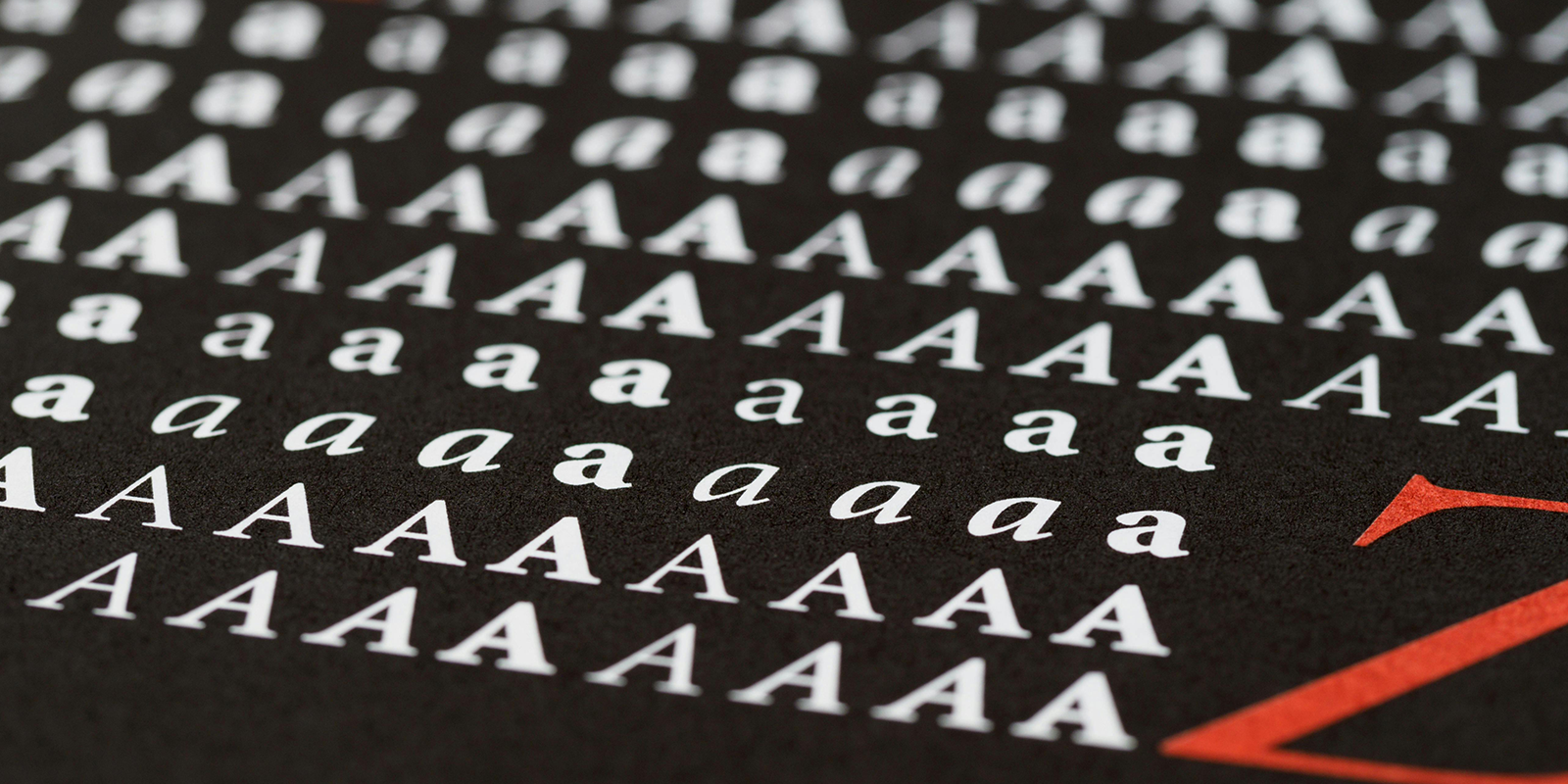
The fonts you choose speak volumes about your brand. Typography affects readability, mood, and perceived credibility. Serif fonts might communicate tradition and authority, while sans-serif options feel modern and clean. Script or decorative fonts add personality but should be used sparingly.
Your typographic system should include a primary font for headlines and key messaging, plus complementary fonts for body copy and supporting text. The key is legibility paired with character — fonts that feel like a natural extension of your brand voice.
Your authentic voice
While not strictly visual, your brand voice is an essential element that shapes all written touchpoints. It’s how your brand sounds, whether that’s conversational and warm, authoritative and direct, or playful and irreverent.
Your authentic voice should align with your visual identity. A bold, vibrant design paired with timid, uncertain language creates cognitive dissonance. When visual and verbal elements reinforce each other, your brand feels cohesive and confident.
Tips for brand design
Building a strong brand identity requires both creative vision and strategic discipline. These practical tips help ensure your brand design delivers impact.
Clarity is key
Don’t try to communicate everything at once. The most effective brand design has a clear focal point and uncluttered visual hierarchy. Whether it’s your website homepage or a promotional flyer, guide the viewer’s eye intentionally. What should they notice first? What action should they take?
Strip away unnecessary elements. Every color, graphic, and word should earn its place by contributing to your message. Clarity doesn’t mean boring. It means purposeful and easy to understand.
Be open and adaptable
Your initial vision for your brand may evolve as you test it with real audiences and across different platforms. Stay open to refinement. Professional brand design services often involve collaborative feedback loops because the best results emerge through iteration.
Markets shift, audience preferences change, and businesses grow. A flexible brand design system can adapt without requiring a complete overhaul. Build in room for evolution while maintaining your core identity.
Get professional brand design services
Creating a brand identity that truly connects requires both artistic skill and strategic thinking. While DIY tools offer convenience, professional brand design services bring expertise that makes the difference between generic and memorable.
At Pixelstrike Creative, we help you articulate your brand’s promise in ways your audience feels, not just sees. Based in Richmond and serving clients nationwide, we create strategic brand design that builds trust, recognition, and customer loyalty.
We start with discovery — understanding your goals, values, and audience. Then we craft complete brand identity systems that include visual language, brand guidelines, and consistent touchpoints across all channels. Our approach ensures your brand design doesn’t just look polished; it performs.
Ready to build a brand that stands out and drives results? Contact Pixelstrike Creative and let’s bring your brand vision to life.